India’s entertainment industry has undergone a digital revolution. With affordable smartphones, cheap data plans, and a population hungry for on‑demand content, streaming platforms have become the new battleground for audience attention. The competition is fierce, and in 2026, three platforms dominate the conversation: Netflix, JioHotstar (the merged entity of JioCinema and Disney+ Hotstar), and Amazon Prime Video.
Evolution of India’s OTT Market
- 2015–2018: The Early Days Hotstar pioneered live sports streaming, especially cricket, while Netflix entered India in 2016 with premium global content. Amazon Prime Video followed, bundling streaming with shopping and music.
- 2016–2020: The Jio Effect Reliance Jio’s cheap data plans democratized internet access, creating fertile ground for OTT growth. Millions of new users suddenly had access to affordable streaming.
- 2020–2021: Pandemic Boost Lockdowns accelerated streaming adoption. OTT platforms became the primary source of entertainment, leading to record subscriber growth.
- 2022–2026: Consolidation & Competition Platforms shifted focus from subscriber growth to retention, regional expansion, and exclusive rights. The merger of JioCinema and Disney+ Hotstar into JioHotstar marked a turning point.
Netflix: The Premium Global Storyteller
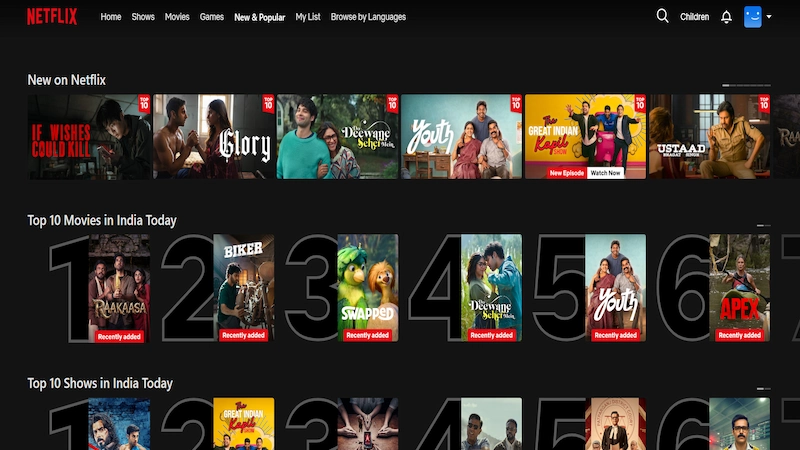
Strengths
- Prestige Originals: Global hits like Stranger Things, Squid Game, and Indian originals like Delhi Crime and Sacred Games.
- Superior Technology: Best‑in‑class recommendation algorithms and streaming quality.
- Global Library: Access to international films and shows unmatched by rivals.
Weaknesses
- Pricing Barrier: Even with mobile‑only plans at ₹149/month, Netflix remains expensive compared to JioHotstar and Prime.
- Limited Regional Penetration: Struggles to capture Tier‑2 and Tier‑3 audiences who prefer regional language content.
Strategy
Netflix positions itself as a premium brand, focusing on quality storytelling. It is investing heavily in Indian originals and regional films to broaden its base.
JioHotstar: The New Streaming Giant
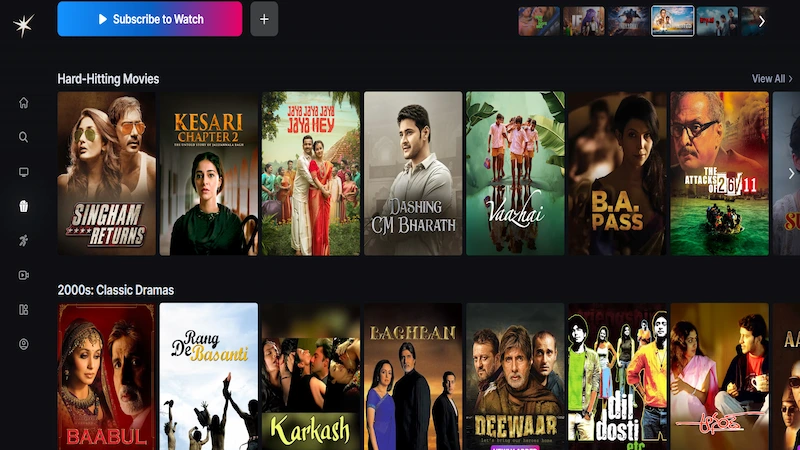
The merger of JioCinema and Disney+ Hotstar created JioHotstar, instantly becoming India’s largest streaming service.
Strengths
- Massive User Base: Combining JioCinema’s ~180M monthly active users with Hotstar’s ~50M created a colossal audience.
- Sports Supremacy: Exclusive rights to IPL cricket, EPL football, and FIFA events.
- Global + Local Content: Disney’s Marvel, Pixar, and Star Wars franchises now sit alongside HBO hits and Indian originals.
- Pricing Advantage: Free ad‑supported tier, low‑cost premium plans, and flexible annual packages.
Weaknesses
- Integration Challenges: Merging two platforms with different tech stacks and pricing models could confuse users.
- Brand Identity: Balancing Jio’s disruptive image with Disney’s premium family brand requires careful positioning.
Strategy
JioHotstar aims to be the default streaming destination for Indian households. By combining sports, global franchises, regional originals, and aggressive pricing, it seeks to dominate across demographics.
Amazon Prime Video: The Silent Contender
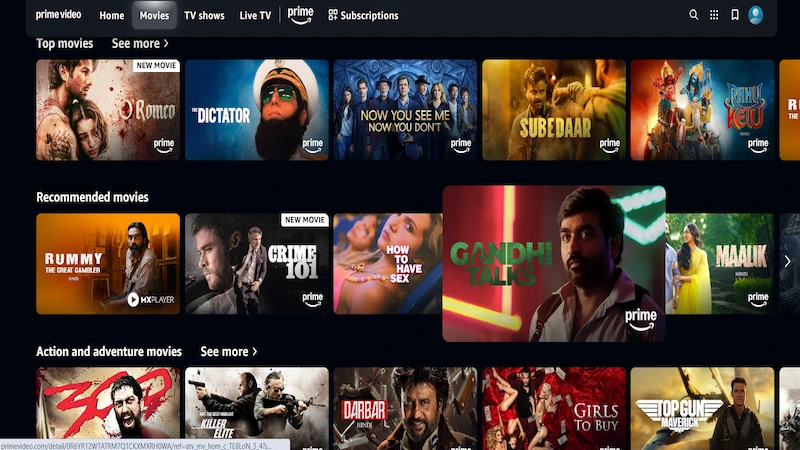
Strengths
- Bundled Value: For ₹1499/year, subscribers get Prime Video, free deliveries, Prime Music, and shopping deals.
- Regional Expansion: Strong investment in Tamil, Telugu, Malayalam, and Kannada originals.
- Global + Local Mix: From The Boys and Lord of the Rings to Indian hits like Mirzapur, Paatal Lok, and Made in Heaven.
- Household Appeal: One subscription covers multiple devices, making it cost‑effective.
Weaknesses
- Sports Gap: Lacks major sports rights in India, limiting mass appeal.
- Brand Positioning: Often seen as a “bonus” to Amazon shopping rather than a standalone entertainment destination.
Strategy
Prime Video’s approach is ecosystem integration. By tying streaming to shopping, music, and delivery benefits, it ensures subscriber stickiness.
Pricing Wars and Consumer Impact
- Netflix: ₹149 mobile plan, ₹199 basic, ₹499 standard, ₹649 premium.
- JioHotstar: Free ad‑supported tier, ₹89/month premium, annual packages ₹899–₹2999.
- Amazon Prime Video: ₹1499/year, bundled with shopping and music.
Consumers benefit from choice and affordability, but face subscription fatigue as exclusive rights force multiple subscriptions.
Case Studies
IPL Streaming
JioHotstar’s free IPL streaming disrupted the market, drawing millions of viewers and challenging Netflix and Prime’s dominance.
Netflix Originals in India
Shows like Delhi Crime won international awards, proving India’s potential for global storytelling.
Prime Video’s Regional Strategy
Investments in Tamil and Telugu originals helped Prime capture audiences beyond metros.
Challenges in the Streaming Wars
- Content Fragmentation: Rights shifting between platforms frustrates users.
- Piracy: Free illegal streaming remains a challenge.
- Regional Expansion: Platforms must invest in local languages to capture rural audiences.
- Platform Fatigue: Too many subscriptions lead to churn.
Future Outlook: Where India’s Streaming Giants Are Headed
Netflix
- Focus: Premium originals, global franchises, Indian prestige dramas.
- Growth Path: Expanding regional content to capture Tier‑2/Tier‑3 audiences.
- Challenge: Pricing remains a barrier for mass adoption.
- Prediction: Will remain the “premium niche” platform for urban audiences.
JioHotstar
- Focus: Sports dominance (IPL, EPL, FIFA), Disney franchises, HBO hits.
- Growth Path: Aggressive pricing, free ad‑supported tier, Reliance ecosystem integration.
- Challenge: Technical integration of JioCinema + Hotstar, balancing brand identity.
- Prediction: Likely to become the default household OTT platform in India.
Amazon Prime Video
- Focus: Regional originals, global hits (The Boys, Mirzapur).
- Growth Path: Bundled value with shopping, music, and delivery.
- Challenge: Lack of sports rights limits mass appeal.
- Prediction: Will remain a steady contender, strong in regional and bundled value.
Industry Trends
- Consolidation: Smaller OTTs may merge or exit.
- AI Personalization: Smarter recommendations will drive engagement.
- Regional Dominance: Platforms investing in Tamil, Telugu, Malayalam, and Hindi originals will win.
- Hybrid Models: Free ad‑supported tiers + premium subscriptions will become standard.
The Real Battle: Data, AI Recommendations, and India’s Tier-2 Streaming Boom
The OTT war in India is no longer limited to movies and web series. In 2026, the real competition is happening around user data, artificial intelligence, and regional internet growth. Streaming platforms are now fighting to capture audiences in Tier-2 and Tier-3 cities, where millions of new users are coming online through affordable smartphones and cheaper 5G data plans.
Platforms like Netflix, Amazon Prime Video, and JioHotstar are increasingly relying on AI-powered recommendation systems to keep viewers engaged for longer periods. Every click, pause, search, and watch history is analyzed to personalize content suggestions. This has made user retention just as important as subscriber growth.
Another major shift is the rise of mobile-first entertainment consumption. Unlike Western markets where smart TVs dominate streaming hours, India remains heavily smartphone-driven. As a result, platforms are optimizing video quality for lower bandwidth regions and introducing affordable mobile-only plans to attract price-sensitive users.
Regional storytelling is also reshaping content investment strategies. South Indian cinema, Bhojpuri entertainment, and hyperlocal Hindi content are now receiving bigger budgets because platforms understand that India’s next wave of digital viewers prefers culturally familiar stories over expensive global productions.
India’s streaming wars are entering a new phase. Netflix remains the premium global storyteller, JioHotstar the disruptive giant with sports and global franchises, and Amazon Prime Video the silent contender with bundled value and regional strength.
For Indian audiences, this war means more choices, cheaper access, and a future where streaming becomes the default mode of entertainment. The question is not whether streaming will dominate, but which platform will emerge as the ultimate winner in India’s digital entertainment revolution.
Also Read: Top 10 Best Places to Visit in India During Summer 2026 for a Perfect Vacation
For more latest updates on Trending News, Entertainment, Automobile, Education, Technology, Jobs, weather and sports visit IndicDaily.
FAQs
-
Which OTT platform is best in India in 2026 — Netflix, JioHotstar, or Amazon Prime Video?
The best OTT platform depends on your preference. Netflix offers premium international originals, JioHotstar dominates live sports and Indian entertainment, while Amazon Prime Video provides a balanced mix of movies, web series, and shopping benefits.
-
Why is JioHotstar becoming a major threat to Netflix in India?
JioHotstar has combined the massive content libraries of JioCinema and Disney+ Hotstar, along with affordable pricing and live sports like IPL and ICC events, making it highly competitive in the Indian market.
-
Is Netflix losing subscribers in India because of cheaper OTT platforms?
Netflix continues to grow globally, but in India it faces intense competition from lower-priced platforms such as JioHotstar and Amazon Prime Video, which offer regional content and sports at more affordable rates.
-
Which streaming app has IPL and cricket rights in India in 2026?
JioHotstar currently holds major cricket streaming rights in India, including IPL and ICC events, after the merger of JioCinema and Disney+ Hotstar.
-
Which OTT app offers the best regional content in India?
JioHotstar and Amazon Prime Video currently offer strong regional libraries in Tamil, Telugu, Malayalam, Kannada, Bengali, and Marathi content, catering to India’s diverse audience.
-
What is the future of OTT streaming in India after the JioHotstar merger?
The Indian OTT market is expected to become more competitive, with affordable plans, AI-driven recommendations, live sports, and regional programming shaping the future of streaming entertainment.