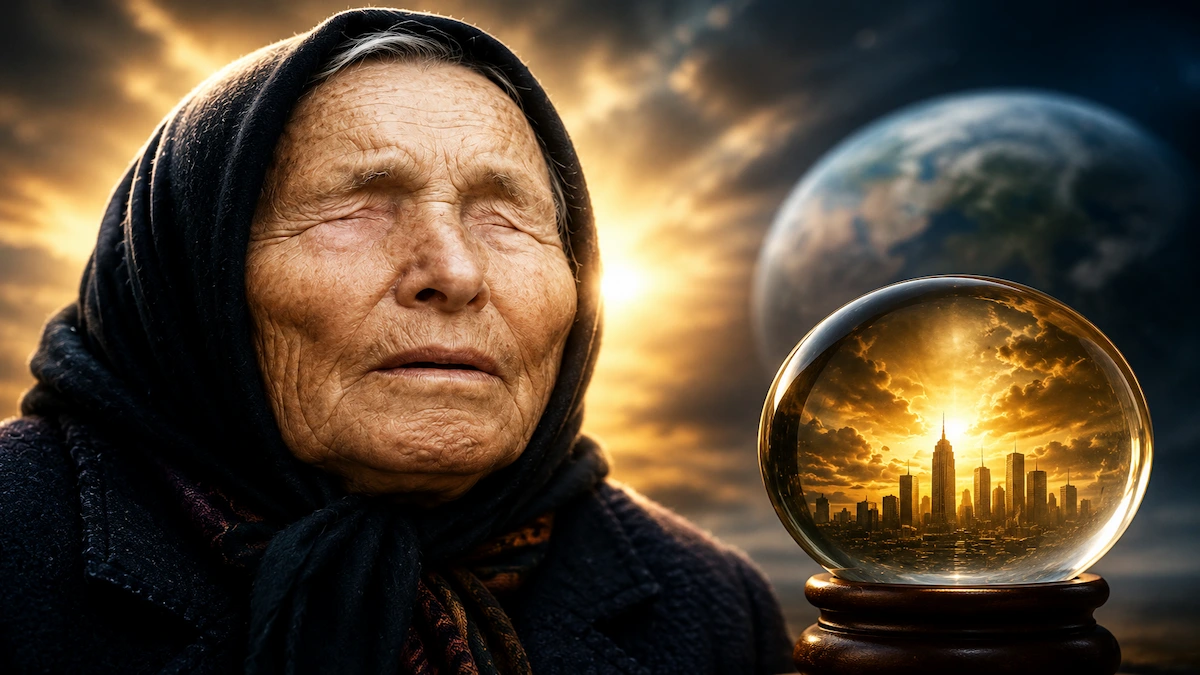
Vangelia Pandeva Dimitrova, better known worldwide as Baba Vanga, was a blind Bulgarian mystic, herbalist, and alleged prophet. Born on January 31, 1911, in the Ottoman Empire region that is now part of North Macedonia, she became one of the most discussed spiritual figures of the 20th century.
Many followers believed she possessed supernatural powers that allowed her to predict future events. Over the decades, stories about her prophecies spread far beyond Eastern Europe, making her a legendary figure across the globe.
Although opinions about her abilities remain divided, there is no doubt that Vangelia Pandeva Dimitrova left a powerful cultural and spiritual legacy.
Early Life and Childhood Struggles
Vangelia Pandeva Dimitrova had a difficult childhood marked by poverty and instability. Her mother died when she was very young, and her father struggled to provide for the family. These hardships shaped her resilient personality and spiritual outlook.
She was reportedly an energetic and intelligent child who enjoyed playing outdoors and helping neighbors. However, her life changed dramatically during adolescence.
The Storm That Changed Her Life
According to popular accounts, a violent storm swept young Vangelia into the air and threw her into a nearby field. When she was found, her eyes were severely damaged by dust and sand. Over time, she lost her eyesight completely.
Many believers claim that after becoming blind, she developed extraordinary spiritual insight and prophetic abilities. This event became central to the mythology surrounding Baba Vanga.
How Baba Vanga Became Famous
During World War II, rumors spread that Baba Vanga could locate missing soldiers and predict future events. People from different regions traveled long distances to seek her advice.
Her modest home became a gathering place for politicians, villagers, military officers, and curious visitors. She often spoke in symbolic language, which later contributed to debates about the accuracy of her predictions.
Her Reputation as a Healer
Besides prophecy, Baba Vanga was also known for recommending traditional herbal remedies. Many visitors believed her treatments improved their health and emotional well-being.
In rural Eastern Europe, folk healing traditions were deeply respected, which helped strengthen her influence and popularity.
Major Predictions Attributed to Baba Vanga
The fame of Vangelia Pandeva Dimitrova largely comes from the numerous predictions attributed to her. Supporters claim she foresaw global disasters, political changes, and scientific breakthroughs.
Predictions That Supporters Claim Came True
Some of the most frequently cited predictions include:
- The dissolution of the Soviet Union
- The death of Princess Diana
- The September 11 attacks in the United States
- Natural disasters and global conflicts
- Advances in medical technology
Supporters argue that her symbolic statements accurately described future events years before they happened.
Predictions That Failed or Remained Unclear
Critics point out that many alleged predictions were vague, undocumented, or inaccurate. Some prophecies were likely altered after events occurred, making verification difficult.
For example:
- Certain predictions about world wars never happened
- Some dates connected to disasters proved incorrect
- Several futuristic claims remain unverified
Because many of her statements were passed down orally, historians often struggle to separate fact from myth.
The Mystery Behind Her Psychic Abilities
The question of whether Baba Vanga truly possessed supernatural abilities remains highly controversial. Believers see her as a gifted spiritual figure, while skeptics attribute her reputation to psychology and coincidence.
Scientific and Skeptical Perspectives
Scientists and skeptics generally explain her fame through several factors:
- Confirmation Bias – People remember successful predictions while ignoring incorrect ones.
- Vague Language – Ambiguous statements can be interpreted in multiple ways.
- Word-of-Mouth Distortion – Stories change over time as they spread.
- Human Psychology – During uncertain periods, people seek guidance from spiritual figures.
Despite skepticism, Baba Vanga continues to fascinate millions worldwide.
Baba Vanga’s Influence on Bulgarian Culture
In Bulgaria and neighboring countries, Baba Vanga remains an iconic cultural figure. Many people continue visiting places associated with her life.
One of the most famous sites connected to her is the village of Rupite in Bulgaria, where she spent much of her later life.
Rupite has become a destination for tourists, spiritual seekers, and historians interested in her legacy.
Her influence also appears in:
- Folk stories
- Television programs
- Spiritual discussions
- Popular books and online communities
Media Representation and Global Popularity
The story of Vangelia Pandeva Dimitrova has inspired global curiosity. Her life has been featured in documentaries, television programs, podcasts, and internet discussions.
Books, Documentaries, and Films
Several media projects have explored her mysterious life:
- Historical documentaries examining her predictions
- Books discussing Eastern European mysticism
- Online videos analyzing alleged prophecies
- Fictional adaptations inspired by her persona
The internet has significantly expanded her fame, introducing younger audiences to her story.
Controversies Surrounding Vangelia Pandeva Dimitrova
Like many famous mystics, Baba Vanga remains a controversial figure. Critics argue that many predictions attributed to her were fabricated after her death.
Historians also note that there is limited written evidence directly documenting many of her alleged prophecies. This has created confusion and speculation.
Key controversies include:
| Controversy | Explanation |
|---|---|
| Lack of Documentation | Many predictions were not officially recorded |
| Media Exaggeration | Internet stories often distort facts |
| Misinterpretation | Symbolic language creates multiple meanings |
| Selective Reporting | Accurate claims receive more attention |
Even with these controversies, public fascination continues to grow.
Lessons People Draw from Her Life
Many people view Vangelia Pandeva Dimitrova as more than just a fortune teller. Her life story symbolizes resilience, spirituality, and hope during difficult times.
Common lessons associated with her legacy include:
- Strength can emerge from adversity
- Spiritual traditions shape cultural identity
- Mystery continues to attract human curiosity
- Stories can influence generations
Whether one believes in her abilities or not, her impact on popular culture is undeniable.
Frequently Asked Questions
-
Who was Vangelia Pandeva Dimitrova?
Vangelia Pandeva Dimitrova, also known as Baba Vanga, was a Bulgarian mystic and alleged prophet famous for her supposed predictions about world events.
-
Why was Baba Vanga blind?
According to popular stories, she lost her eyesight after a violent storm injured her eyes during childhood.
-
Did Baba Vanga really predict the future?
There is no scientific proof that Baba Vanga could predict the future. Some people believe her predictions were accurate, while skeptics disagree.
-
Where did Baba Vanga live?
She spent much of her later life near the village of Rupite in Bulgaria.
-
What made Baba Vanga famous?
Her reputation for making predictions and offering spiritual guidance made her internationally famous.
Vangelia Pandeva Dimitrova remains one of the most mysterious and debated spiritual figures in modern history. Her story combines hardship, faith, folklore, and global fascination.
For believers, she was a gifted prophet with extraordinary insight. For skeptics, she represents the power of myth and human interpretation. Regardless of perspective, her influence on culture and popular imagination continues decades after her death.
The enduring mystery surrounding Baba Vanga ensures that future generations will continue exploring her life, predictions, and legacy.
For more latest updates on Trending News, Entertainment, Automobile, Education, Technology, Jobs, weather and sports visit IndicDaily.