
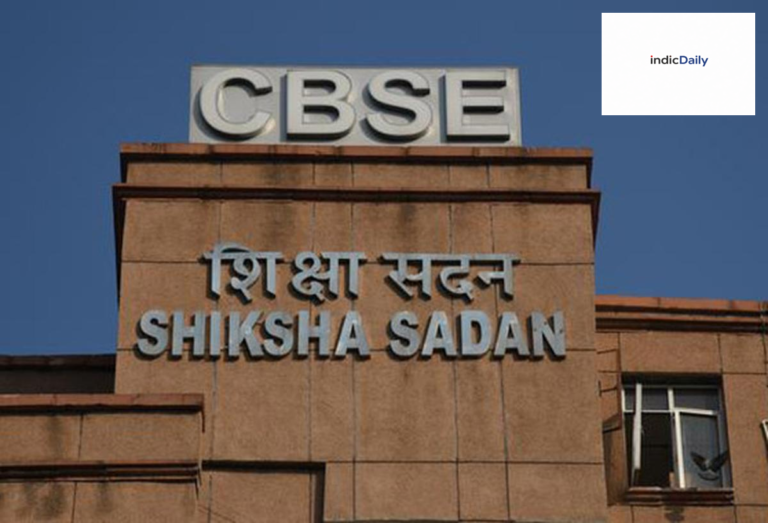
With the CBSE Board Exams 2026 drawing closer, the Central Board of Secondary Education (CBSE) has announced several key reforms that will impact Class 10 and Class 12 students. These changes, introduced in line with the National Education Policy (NEP) 2020, aim to reduce academic pressure, promote regular learning, and strengthen overall assessment quality. Understanding these updates early will help students and parents plan the board year more effectively.
CBSE Board Exam Dates 2026: Important Revisions
CBSE has adjusted certain examination dates to improve scheduling efficiency and avoid clashes:
- Class 10 Exam Update: A paper originally planned for early March has now been rescheduled to March 11, 2026.
- Class 12 Exam Update: One of the key Class 12 papers has been shifted to April 10, 2026, extending the examination window.
Apart from theory papers, practical exams and internal assessments will be conducted in advance, allowing students sufficient time to complete lab work, projects, and evaluations.
Important Advisory: Students should rely only on the official CBSE website (cbse.gov.in) for the final and confirmed date sheet, as unofficial sources may circulate incorrect information.
Two-Exam System Introduced for CBSE 2026
One of the most notable reforms is the implementation of a two-exam format for board assessments:
- First Examination: Conducted in February, covering the entire syllabus, and mandatory for all candidates.
- Second Examination: Held in May or June, offered as an optional improvement opportunity. Students can attempt up to three subjects to enhance their scores.
This structure reduces the pressure of a single high-stakes exam and gives students an additional chance to improve performance without losing an academic year.
75% Attendance Rule to Be Strictly Enforced
CBSE has once again emphasized the mandatory 75% attendance requirement for board exam eligibility:
- The rule applies equally to Class 10 and Class 12 students.
- Attendance is calculated from the beginning of the academic session until December.
- Schools are required to submit verified attendance records early in the year.
Students failing to meet the attendance requirement may be placed under the “Essential Repeat” category, which can impact exam eligibility and promotion.
However, limited exemptions may be granted in genuine cases such as medical emergencies, bereavement, or participation in national or international events—provided valid documents are submitted.
Internal Assessments Gain Greater Importance
Under the revised CBSE framework, internal assessment has become a crucial part of final evaluation. This includes:
- Subject projects
- Practical examinations
- Oral tests and periodic class assessments
Students must actively participate in all internal assessment components. Failure to complete these requirements can lead to withholding of results, similar to penalties imposed for insufficient attendance.
This approach supports NEP’s emphasis on continuous evaluation over last-minute exam preparation.
Key Guidelines for Students and Parents
✔ Follow Official CBSE Announcements: Always check updates on cbse.gov.in
✔ Plan for Two Exam Phases: February exam is compulsory; May/June is optional
✔ Maintain 75% Attendance: Track attendance regularly
✔ Complete All Internal Assessments: Projects and practicals are mandatory
✔ Use Academic Support Systems: Make use of CBSE counselling services, PM eVidya resources, and school guidance programs
Conclusion
The CBSE Board Exams 2026 represent a significant shift toward a more balanced and student-focused assessment system. With revised exam dates, the two-exam structure, strict attendance norms, and increased emphasis on internal evaluation, CBSE aims to improve learning outcomes while reducing unnecessary stress. Staying updated through official channels and preparing systematically will be key to achieving success in the upcoming board examinations.
Thanks for the updates