
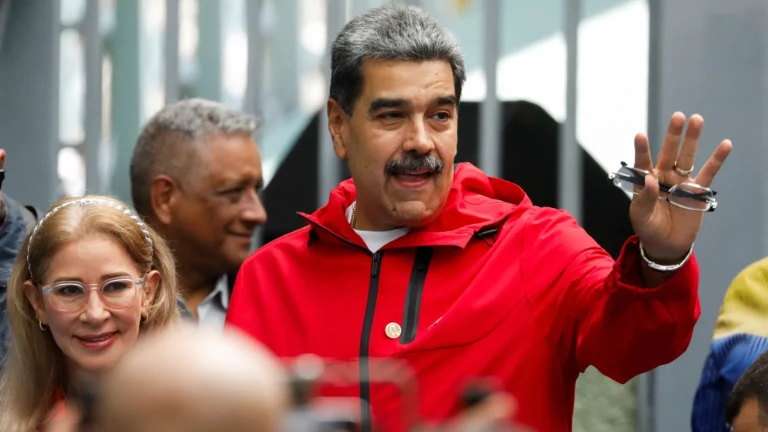
Venezuelan President Nicolás Maduro has been arrested and taken to the United States to face criminal charges, in a development that has sent shockwaves through global politics. The arrest follows years of investigations and legal action by U.S. authorities accusing Maduro of drug trafficking and narco-terrorism.
Maduro appeared before a federal court in New York, where he pleaded not guilty to multiple charges. He rejected the allegations and claimed his detention was illegal, stating that he remains the legitimate president of Venezuela.
Table of Contents
Why Nicolás Maduro Was Arrested
The arrest of Nicolás Maduro is linked to U.S. indictments first announced in 2020. American prosecutors accused Maduro and senior members of his government of running or protecting international cocaine trafficking networks.
According to U.S. officials, these networks allegedly used Venezuelan territory to transport drugs into North America. Washington had also announced multi-million-dollar rewards for information leading to Maduro’s capture.
Maduro has consistently denied all charges, calling them politically motivated and part of a foreign campaign to remove him from power.
How the Arrest Took Place
U.S. authorities confirmed that Maduro was detained during a law enforcement operation and subsequently transferred to the United States. While operational details remain limited, officials described the action as part of a long-running criminal case rather than a military intervention.
Maduro’s wife, Cilia Flores, was also detained and has appeared in court on related charges.
Charges Against Nicolás Maduro
Maduro faces multiple serious charges in U.S. federal court, including:
- Narco-terrorism conspiracy
- Cocaine importation conspiracy
- Weapons-related offenses
If convicted, the charges could carry life sentences under U.S. law.
International Reaction to Maduro’s Arrest
The arrest of Venezuela’s president has triggered mixed global reactions.
- Several Latin American governments criticized the move, calling it a violation of national sovereignty.
- Others welcomed the arrest, saying it represents accountability for alleged corruption and criminal activity.
Inside Venezuela, the arrest has deepened political uncertainty, with both supporters and opponents of Maduro taking to the streets.
Why Maduro’s Arrest Is Historic
The detention of a sitting president by a foreign country is extremely rare and has raised major questions about:
- International law
- Presidential immunity
- Sovereignty of nations
Experts say the case could set a global precedent for how powerful leaders are prosecuted beyond their borders.
What Happens Next
Nicolás Maduro remains in U.S. custody as legal proceedings continue. Future hearings are expected to focus on jurisdiction, immunity claims, and the legality of his arrest.
The case is likely to have long-term consequences for U.S.–Venezuela relations, Latin American politics, and international diplomacy.
FAQs
Q1. Why was Nicolás Maduro arrested?
Ans. Nicolás Maduro was arrested following U.S. indictments accusing him of involvement in drug trafficking and narco-terrorism conspiracies dating back several years.
Q2. What charges does Nicolás Maduro face in the United States?
Ans. Maduro faces charges including narco-terrorism conspiracy, cocaine importation conspiracy, and weapons-related offenses under U.S. federal law.
Q3. Where is Nicolás Maduro currently being held?
Ans. Nicolás Maduro is currently in U.S. custody after being transferred to the United States for court proceedings.
Q4. Did Nicolás Maduro plead guilty to the charges?
Ans. No, Nicolás Maduro pleaded not guilty and claimed his arrest was illegal, stating he remains Venezuela’s legitimate president.
Q5. Why is Maduro’s arrest considered historic?
Ans. The arrest is historic because detaining a sitting president by a foreign country is extremely rare and raises major questions about international law, sovereignty, and presidential immunity.
Very good article. I think maduro being misjudged by USA. Lets hope for the best for world peace.